ByJohn A
Self-Custody vs Third-Party Crypto Custody
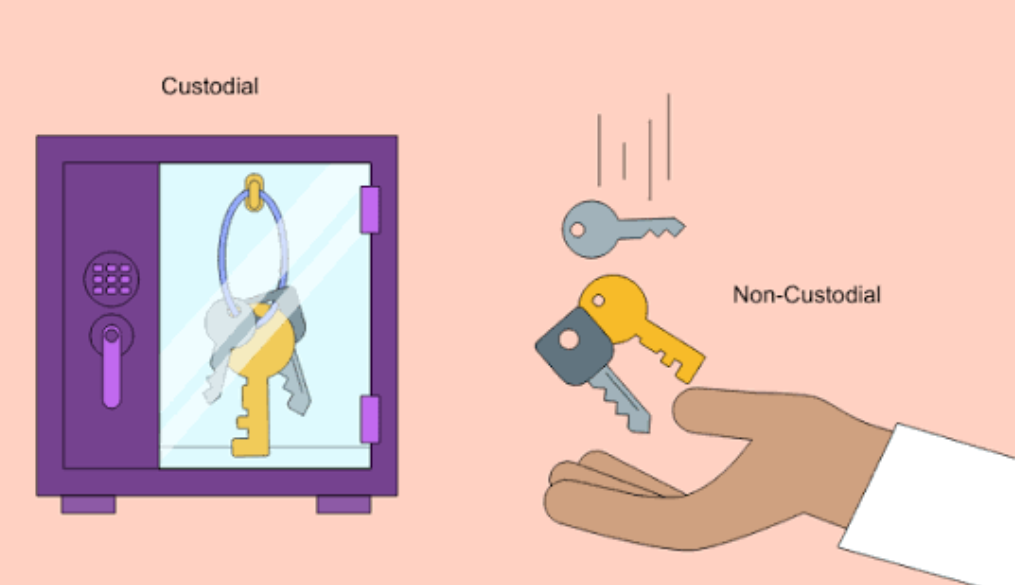
Self-custody places control in the user’s hands, demanding disciplined key management and recovery planning. Third-party custodians layer security, governance, and insured risk transfer, reducing user-facing friction but introducing counterparty risk and reliance on institutional controls. The trade-off centers on autonomy versus convenience, with resilience contingent on threat modeling, operational hygiene, and auditable compliance. The balance invites closer scrutiny of threat surfaces and governance models, leaving open questions about long-term reliability and privacy.
What Self-Custody Really Means for You
Self-custody refers to individuals holding and controlling their own private keys, thereby determining access to their crypto assets without reliance on a third-party custodian.
The analysis emphasizes risk, control, and autonomy: self custody abates custodial risk but increases exposure to human error.
Personal responsibility, security hygiene, and clear recovery options are essential to sustain freedom without compromising asset safety.
See also: Understanding the Role of Automation in Business
How Third-Party Custodians Safeguard Assets
Third-party custodians safeguard assets through layered security controls, formalized governance, and insured risk transfer to reduce exposure to individual error and platform-specific failures. These structures emphasize risk mitigation, auditable processes, and governance transparency.
Security audits and regulatory compliance form core verification layers, enabling ongoing resilience. While preserving freedom to operate, custodians balance accessibility with rigorous controls to manage systemic and operational risks.
Weighing Control, Security, and Convenience
Balancing control, security, and convenience requires there to be explicit trade-offs: greater self-directed control often increases security responsibilities and operational burden, while relying on third-party custody can reduce user-facing risk but introduces counterparty and governance dependencies.
The evaluation highlights control tradeoffs and the evolving security posture, emphasizing disciplined key management, incident response readiness, and risk-aware posture alignment with user autonomy and resilience goals.
A Practical Framework to Choose Your Path
A practical framework for choosing between self-custody and third-party custody rests on structured assessment of risk, operational requirements, and governance constraints.
The framework emphasizes privacy tradeoffs and recovery complexities, mapping threat models to custody modalities.
It prioritizes resilience, documented processes, and fault tolerance, enabling informed decisions for freedom-seeking actors while maintaining transparent governance, measurable controls, and auditable compliance against evolving crypto landscapes.
Frequently Asked Questions
How Does Recovery Work if I Lose My Keys?
In key loss scenarios, the recovery process typically involves social recovery, seed phrase reconstruction, or trusted custodians. The analysis emphasizes risk, potential single points of failure, and recovery timeliness, highlighting freedom versus reliance on third parties.
Can a Custodian Seize My Funds During Legal Action?
Satirical caution: yes, a custodian seizure can occur under legal action, but it depends on contractual terms, jurisdiction, and court orders. The risk: assets held may be frozen, audited, or diverted—undermining freedom and demanding robust safeguards.
What Are the Tax Implications of Custody Choices?
Tax implications hinge on custody design: Key tax implications arise from how gains, losses, and timing are recognized. Custody vs taxation affects reporting, capital treatment, and liquidity events, with risk considerations shaping freedom-minded strategies in compliance-conscious environments.
Do Custodians Provide Insurance for Digital Assets?
Custodians do provide custodian insurance, but coverage varies; third party risk remains, requiring careful review of policy perimeters, exclusions, and sub-coverage. Not all assets are insured equally, exposing gaps in digital asset protections and risk management. Hyperbole: vaults become impenetrable fortresses.
How Do Custody Options Affect Liquidity and Access Speed?
The liquidity impact hinges on counterparty risk and on-chain settlement speed, with custodial solutions often offering faster access but potentially compressing liquidity windows; non-custodial setups may extend access speed but strengthen withdrawal controls and risk visibility.
Conclusion
In the balance between self-custody and third-party custody, the landscape resembles two guarded vaults. Self-custody gleams with autonomous trust, yet bears the shadows of human error and recovery hurdles. Third-party custody offers layered defenses and governance, trading direct control for procedural resilience and insured risk. The prudent path blends risk-aware analysis, explicit threat modeling, and auditable compliance, tailoring resilience to need. Ultimately, the chosen vault should align with one’s threat model, operational discipline, and desired privacy.